Licorice

Glycyrrhiza glabra

Throughout the world Licorice is known as ‘The Sweet Root’ – and with good reason with its sweet compound being up to 50 times sweeter than sucrose.

Licorice is most often used in home remedies to make other herbs more palatable, especially when given to children. All medicine traditions agreed that its harmonising role was much more extensive than this and it is possibly the most widely used ingredient of folk remedies in the world. Its popularity for health as well as by the tobacco and confectionery industry are some of the reasons why it is threatened in its natural habitats around the world.

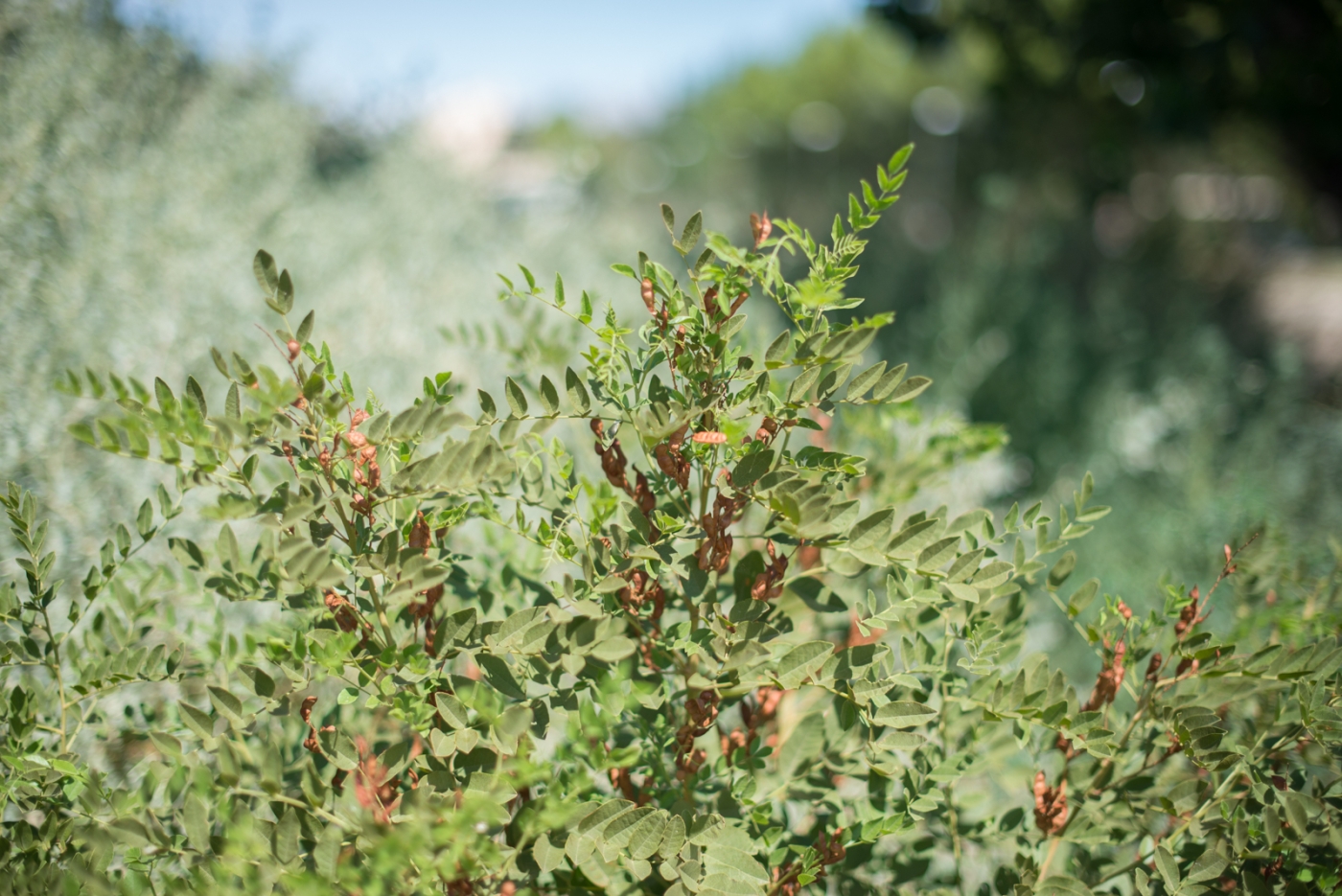
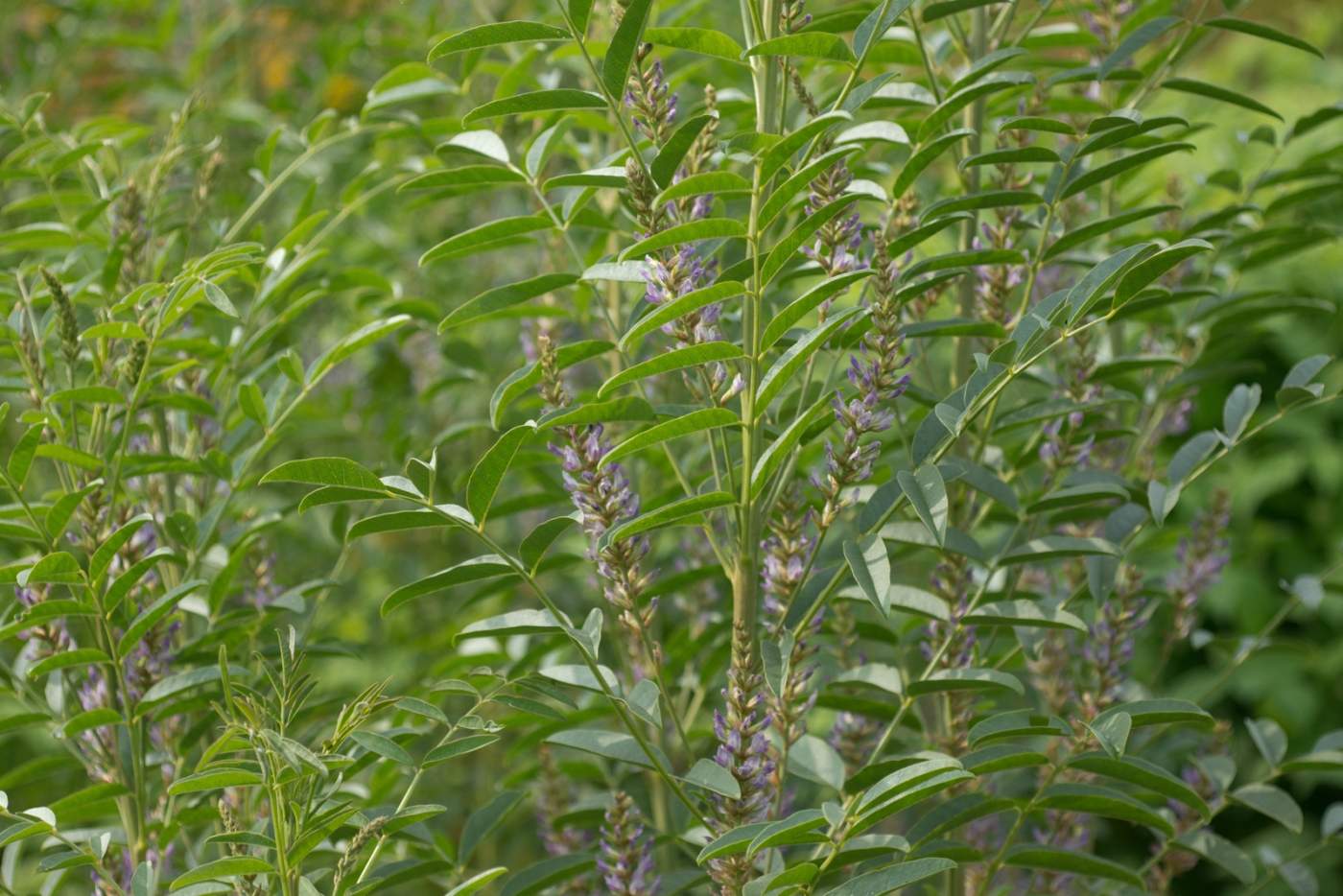
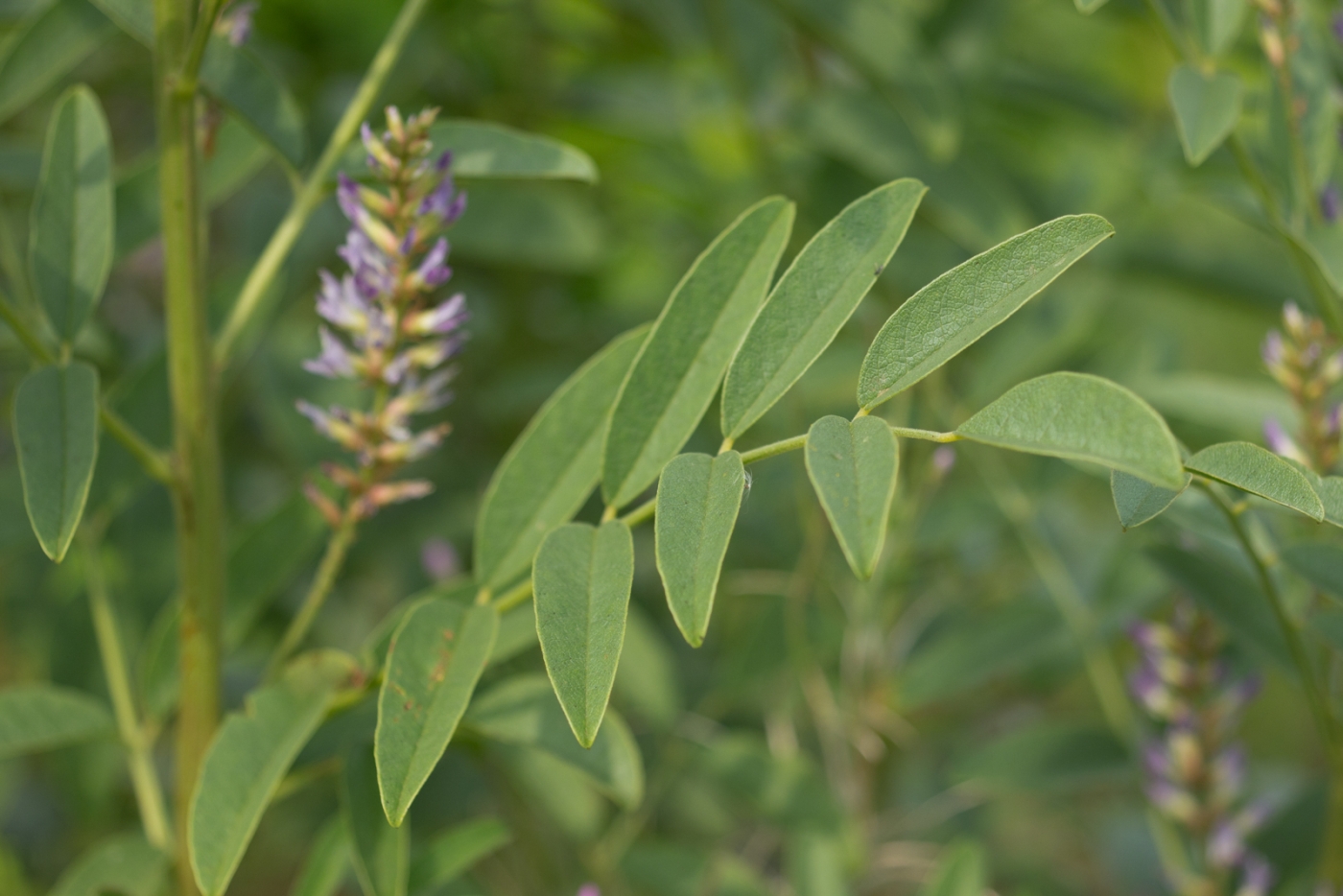
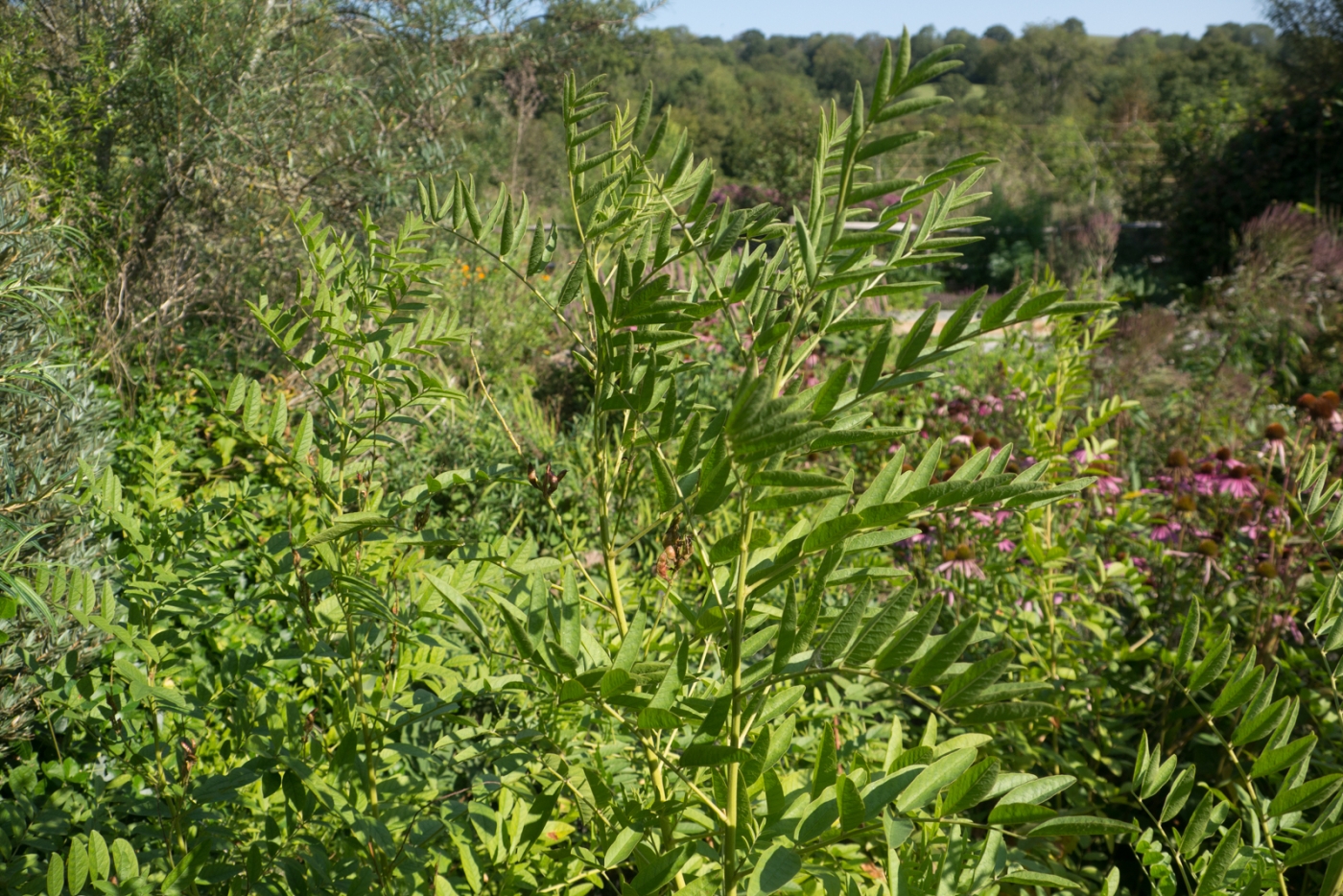
There are around 20 species of licorice; the species we offer – Glycyrrhiza glabra – is native to Southern Europe, Western Asia and North Africa and is the most commonly used. It tends to grow in hot, dry places so it is a little outside of its preferred growing habitat here in the UK, but it still grows well given a sunny position in well-drained soil. It is a perennial that can grow up to around six feet tall.

Start harvesting the roots after 3 years growth; regular harvests will add huge value to your herbal apothecary as well as containing excessive spread of the roots in the garden.

£4.00
Categories: , ,
Sowing and Growing

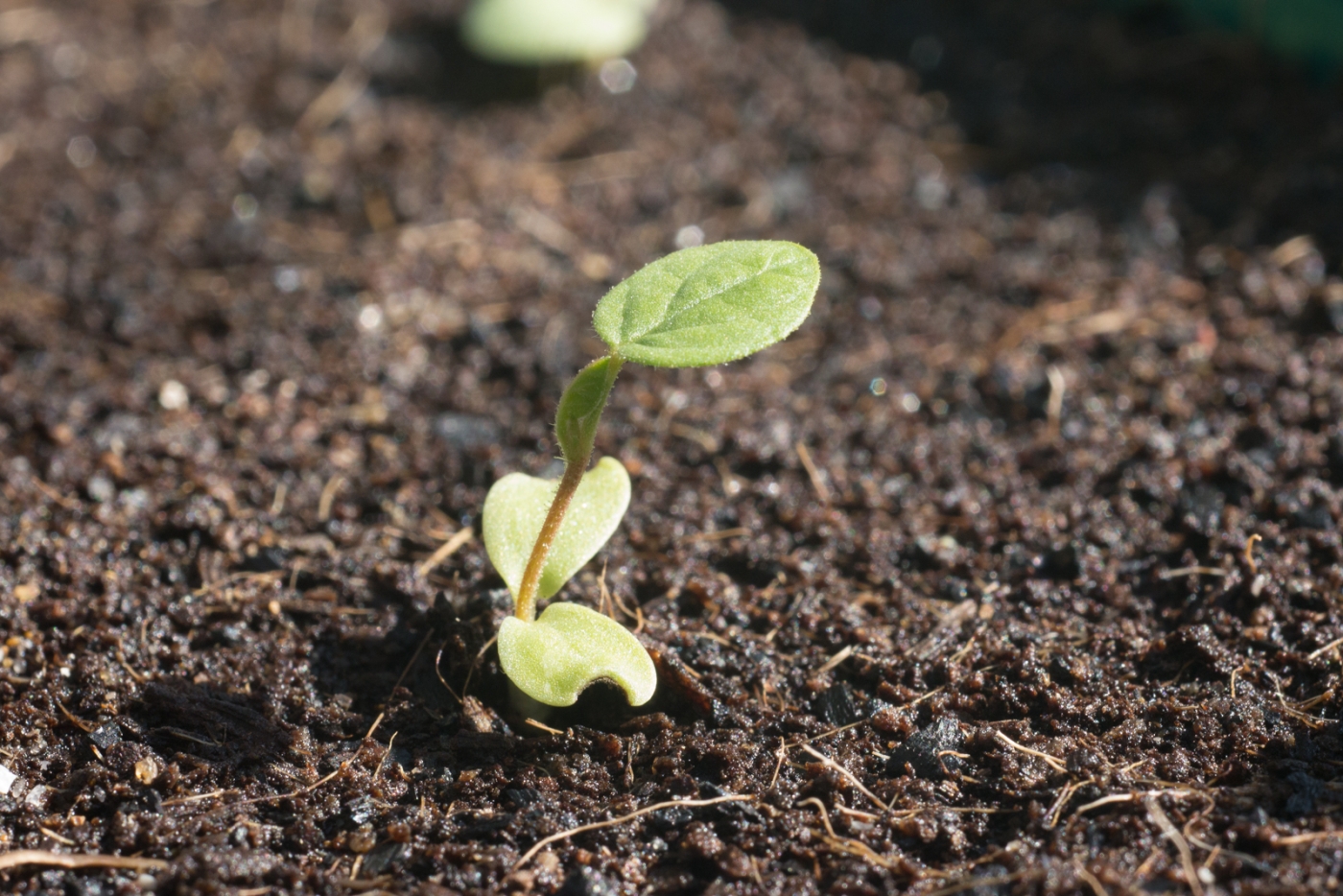
Licorice seed benefits from pre-soaking: place seeds in water for around 24 hours before sowing. Sow in pots, open trays, or plug trays indoors in late spring, or directly outdoors in early summer once the soil has warmed up. Where possible, plug trays are useful as they help minimise disturbance to the developing tap root when potting on.

Sow seeds around 1–2cm deep into a free-draining, fertile compost and keep the soil evenly moist but not waterlogged. Germination often begins within around a week, but can continue somewhat erratically over the following days or weeks, so it’s worth keeping trays watered and in place for a while. Grow seedlings on somewhere bright and sheltered, handling young plants carefully.

Plant out into their final position once the risk of frost has passed and plants are well established. Licorice prefers full sun and a deep, free-draining soil enriched with some organic matter. Choose the planting spot with care, as this perennial can become a long-term feature in your garden.

Licorice is slow to get going in its first couple of years, but once established it can grow into a tall, bushy plant (up to around 2m) with an extensive network of underground roots and runners. These lateral roots can spread well beyond the original crown and will send up new shoots, making the plant difficult to remove once fully established.

If you don’t want licorice to spread, consider planting it in a large, deep container or raised bed, or installing a root barrier in the ground to restrict lateral growth. Regularly harvesting or removing young runners can also help to keep plants contained.

Once established, licorice requires relatively little care beyond keeping it weed-free while young and watering during prolonged dry spells.

Uses and Benefits

The sweetness of licorice largely comes from the triterpenoid saponins including 2-6% glycyrrhizin, present in the form of potassium and calcium salts. It also has a slight bitterness predominantly found in the outer skin or the root. Its familiar flavour is also partly made-up from the small amount of the essential oil, anethole, one of the compounds in aniseed and fennel (no close botanical relationship though).

Its sweetness indicates its strengthening and moistening properties. Licorice is emollient, demulcent and nutritive. It naturally produces mucilage which soothes inflamed mucous membranes throughout the body, with a particular affinity for the respiratory tract, digestion and urinary system. It encourages a healthy inflammation response and, through coating hot and irritated membranes, allows time for damaged cells to regenerate and repair effectively.

It strengthens and supports the nervous system and adrenal glands through the production of constituents that mimic those found in the adrenal cortex. It will modify the body’s own stress response to prevent the onset of adrenal exhaustion and impart a tonifying effect through the body.

It is also an effective hepatoprotective, supporting the regeneration and repair of damaged liver cells, particularly in chronic conditions such as cirrhosis and hepatitis.

There is a large body of research on licorice including a number of clinical trials. The main areas of clinical investigation on licorice include supporting healthy liver function, weight reduction, treating sore throats, effects on steroid metabolism in women, antiviral activity and chronic viral hepatitis treatment. Research also points towards benefit in managing arthritis. Licorice sticks are very widely used around the world as toothbrushes, a reputation backed by modern evidence for a benefit against tooth decay and gum problems.

Safety
Moderate licorice consumption is likely to be safe for the vast majority of people. Regular high levels of licorice consumption, especially in the form of licorice candy, have been associated with raised blood pressure. The best calculation is that regular intake of 12g per day over a long period could cause such a problem.

Similar concerns have been raised in relation to regular high doses taken during pregnancy and this should be avoided, especially if there is associated high blood pressure.

Licorice may interact with corticosteroids and certain types of (potassium-depleting) diuretics and laxatives and again if these are being prescribed it will be wise to keep any regular consumption at low levels and check with your prescriber. Long term regular use of high doses may not be wise if you have osteoporosis.

Normally used at 1-5g per day.

Harvesting and Preparation

Ideally you should wait at least 3 years before you start harvesting the ‘stolons’ or ‘runners’; botanically speaking, ‘stolons’ are actually underground stems, but in layman’s terms they are basically the horizontally spreading roots. As with all roots, it is best to wait until the leaves have started to die back in the Autumn before harvesting. Make sure you don’t harvest the vertical tap root so the plant can regenerate next year. The stolons can go a few meters under the surface of the soil, so if you don’t want to have to disturb your flower beds we recommend harvesting regularly.

Clean the roots, and slice into either 10cm pieces for sticks or3mm thick slices for making into teas. Dry in a well ventilated space at around 30C for 48 hours or until dry and store in an airtight container out of the light.

Blend into teas, syrups, creams and tinctures. Or just chew on a stick.

2g or the dried and cut root can be infused in 250ml of freshly boiled water for 15 minutes to make a sweet and soothing tea.

Add it with other herbs to offset any bitter or drying effects.

For a stronger drink make a decoction.

The powder is often used as a binder when making hand-made pills.

Species Info
Soil
Stratification Needed?

Soaking Recommended

Herbal Tradition

Ayurvedic, Chinese (TCM), Western

General Uses

Medicinal

Can be sown direct?

Yes

Herbal Uses

Adaptogen, Digestion, Energy, Hormonal, Kidney, Liver, Mood, Respiration, Skin, Urinary

Flower Colour(s)

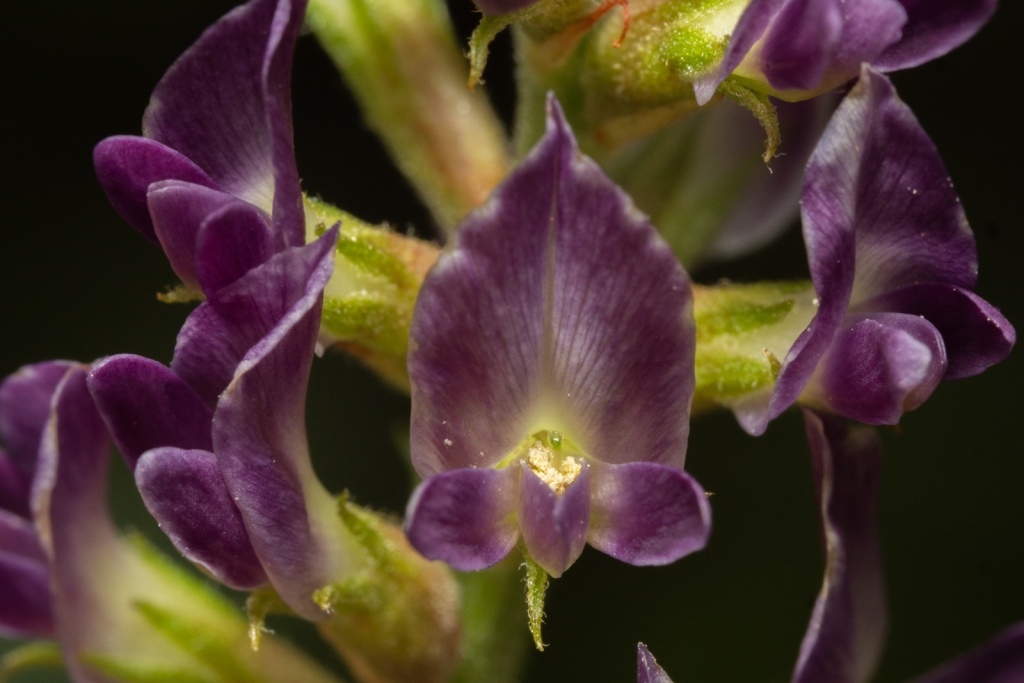
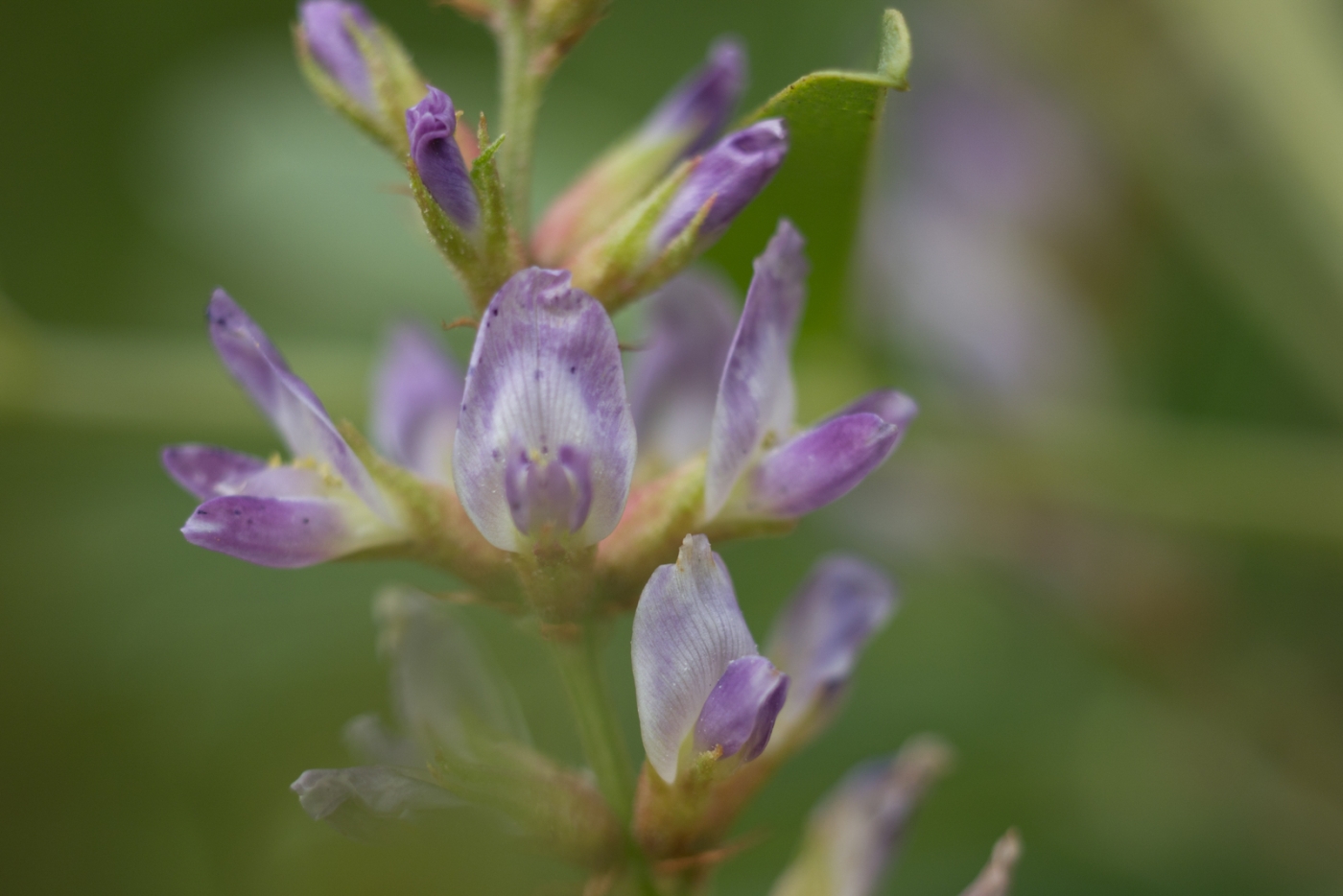
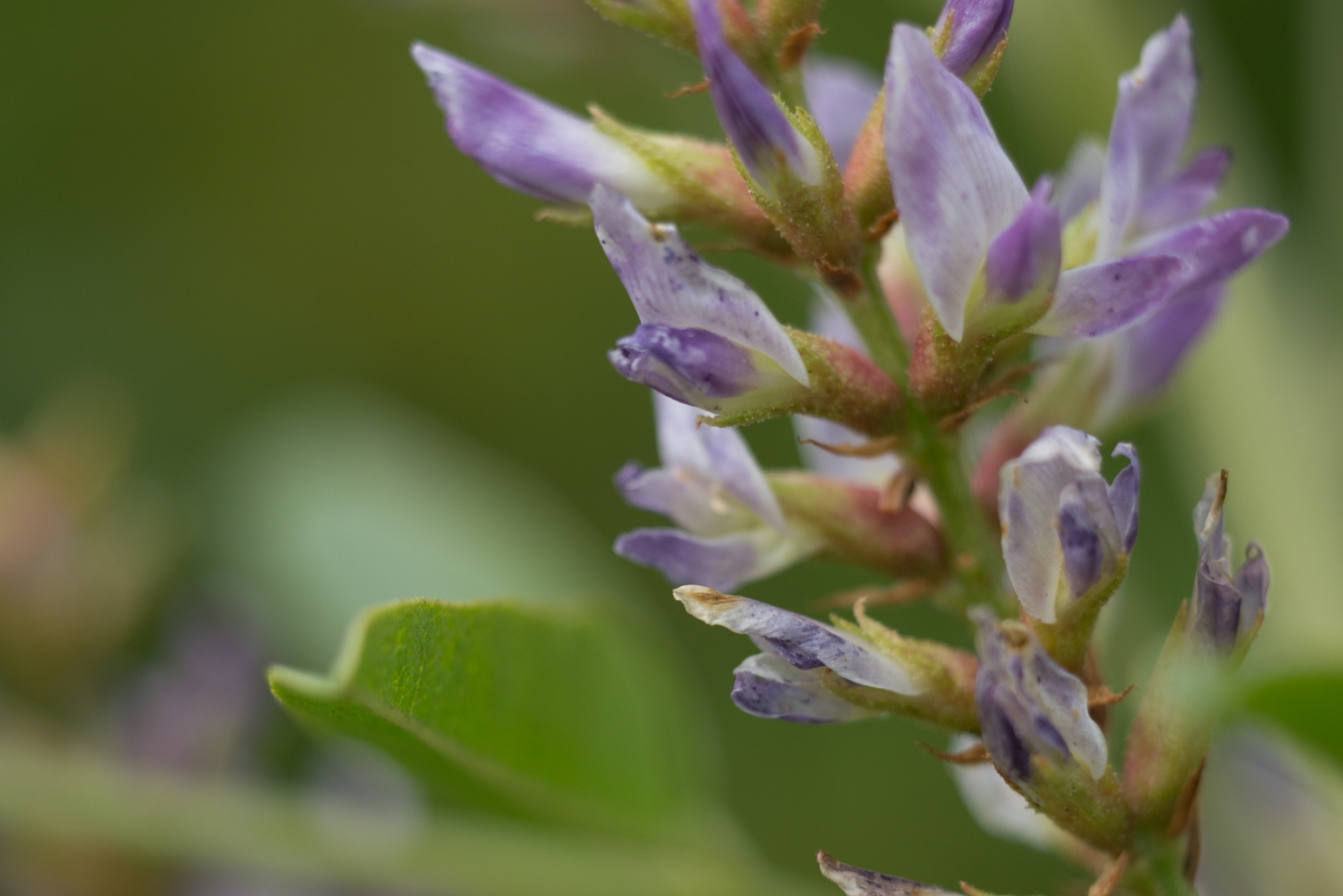
Purple, White

Hardiness

H5 (hardy – cold winter)

UK Native

No

Flowering

June, July, August

Life Cycle

Perennial

Sunlight
Recommended Sowing Times
Make Your Own

Cream, Herbal Honey, Herbal Tea, Massage Oils, Salves, Smoking, Syrup, Tincture

Description

Throughout the world Licorice is known as ‘The Sweet Root’ – and with good reason with its sweet compound being up to 50 times sweeter than sucrose.

Licorice is most often used in home remedies to make other herbs more palatable, especially when given to children. All medicine traditions agreed that its harmonising role was much more extensive than this and it is possibly the most widely used ingredient of folk remedies in the world. Its popularity for health as well as by the tobacco and confectionery industry are some of the reasons why it is threatened in its natural habitats around the world.

There are around 20 species of licorice; the species we offer – Glycyrrhiza glabra – is native to Southern Europe, Western Asia and North Africa and is the most commonly used. It tends to grow in hot, dry places so it is a little outside of its preferred growing habitat here in the UK, but it still grows well given a sunny position in well-drained soil. It is a perennial that can grow up to around six feet tall.

Start harvesting the roots after 3 years growth; regular harvests will add huge value to your herbal apothecary as well as containing excessive spread of the roots in the garden.

Additional information

Soil
Stratification Needed?

Soaking Recommended

Herbal Tradition

Ayurvedic, Chinese (TCM), Western

General Uses

Medicinal

Can be sown direct?

Yes

Herbal Uses

Adaptogen, Digestion, Energy, Hormonal, Kidney, Liver, Mood, Respiration, Skin, Urinary

Flower Colour(s)

Purple, White

Hardiness

H5 (hardy – cold winter)

UK Native

No

Flowering

June, July, August

Life Cycle

Perennial

Sunlight
Recommended Sowing Times
Make Your Own

Cream, Herbal Honey, Herbal Tea, Massage Oils, Salves, Smoking, Syrup, Tincture