Wormwood

Artemisia absinthium

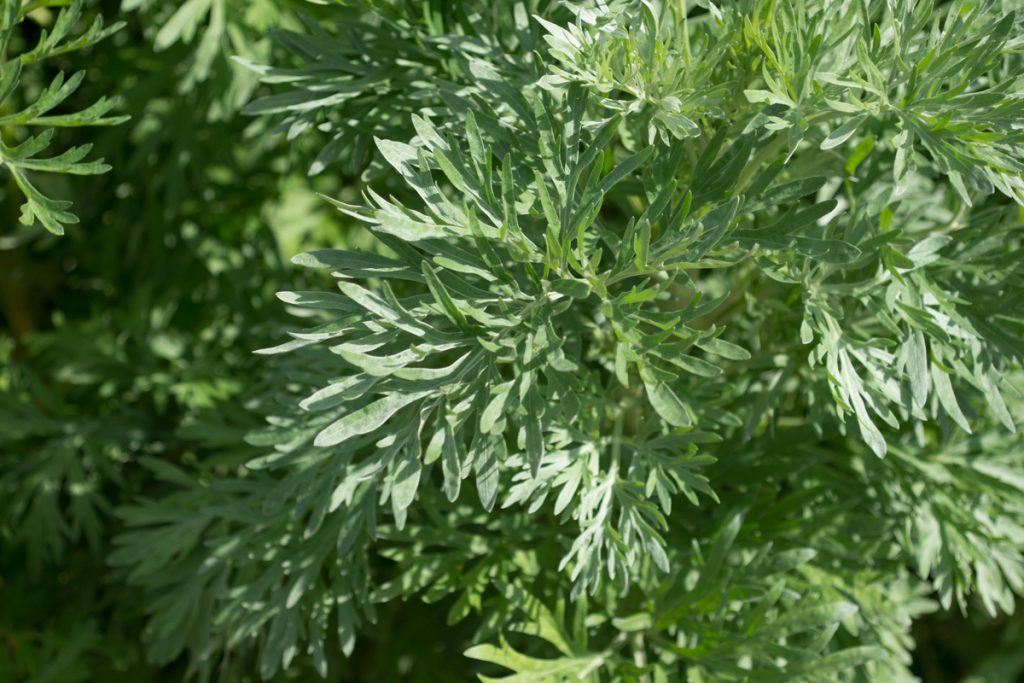
Wormwood is a powerful bitter that is most commonly used for stimulating the digestive system. It is also an effective vermifuge used for treating internal parasites.

Like its close relative mugwort, wormwood has been used since ancient times and is rich in folklore. Its intense bitterness is mentioned in the Bible as well as in the writings of Shakespeare (in Hamlet, the phrase ‘wormwood, wormwood’ was spoken to signify the bitterness of someone’s words). It is also a key ingredient in absinthe – the infamous spirit that was so popular with 19th century artists. Like mugwort, it is said to have certain esoteric qualities and is sometimes burnt as an incense to purify spaces and taken to heighten psychic powers.

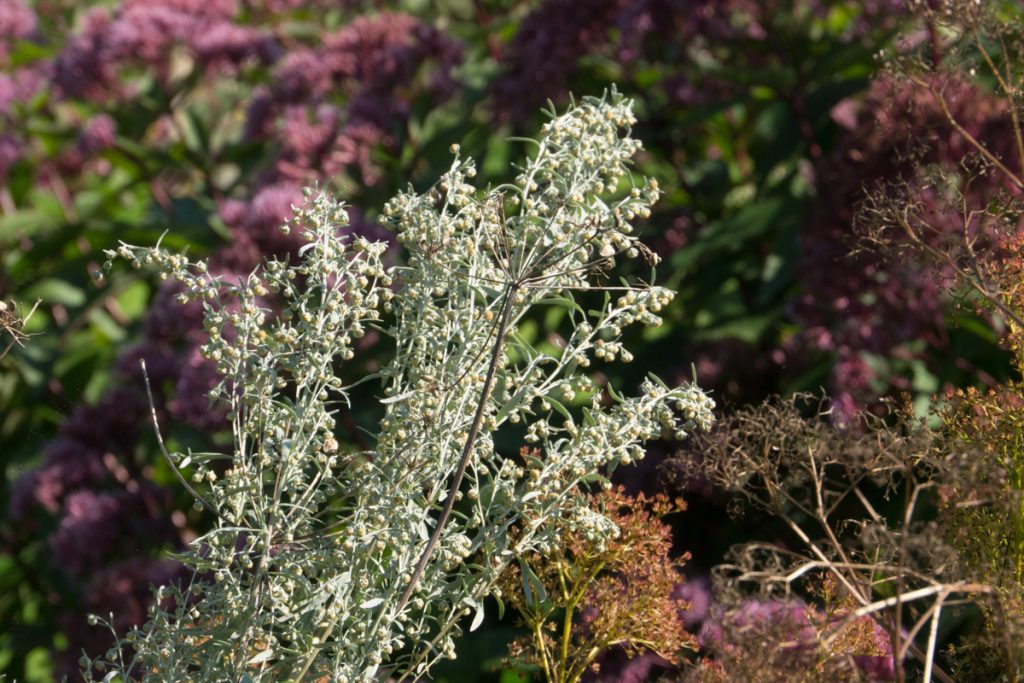
Wormwood is a perennial plant that is native or naturalised in many parts of the northern hemisphere. It grows best in full sunshine, but can also grow in semi-shade and seems to tolerate all soil types, including very dry, rocky soils. It is fast growing and can grow into a large spreading bush so make sure you give it plenty of space to grow into.

Wormwood can cause vomiting and stomach cramps if taken in large doses, so do take care with this powerful herb.

£2.50
£9.00
Sowing and Growing

Wormwood is a hardy, long-lived perennial that is easy to grow from seed and well suited to dry, well-drained conditions. Seed can be sown indoors from late winter through to early summer, or sown directly outdoors from mid-spring onwards once the soil has begun to warm.

Sow the seed on the surface of the compost or soil and gently press it in; do not bury the seed, as light helps to trigger germination. Keep the compost evenly moist but not waterlogged. Germination is usually reliable, typically taking around 10–20 days.

Once seedlings are large enough to handle, prick out into individual pots and grow on briefly before planting out, or thin direct-sown seedlings once established. Wormwood develops into a large, shrubby plant over time, so allow a spacing of around 60–90cm between plants.

Once established, wormwood is drought tolerant and requires very little feeding or ongoing care. In richer soils it can produce softer, more sprawling growth.

Without occasional management, plants can become woody and straggly. Light trimming in late spring or early summer helps maintain a compact shape and encourages fresh, aromatic growth. Avoid cutting hard into old woody stems during the growing season.

Uses and Benefits

Good quality wormwood contains over 2% essential oil, the majority of which is thujone, and bitter sesquiterpene lactones. just nibble on a leaf and you will immediately know what a true bitter tastes like. These bitter and aromatic principles have led to wormwood having a long history in the dispensary commonly used in low doses for indigestion and bloating. This ability to eliminate fullness by stimulating digestion also works on the nervous system with wormwood used for stagnant depression. This effectively makes it an antidepressant, somehow the bitterness making life taste sweeter again. As the name suggests it has been used against worms, especially pinworms and roundworms.

Harvesting and Preparation
Harvest the aerial parts just before it comes into flower mid-Summer.
The fresh leaves are very delicate so handle carefully and dry in a dehydrator at 35C for 12 hours.
Use as a bitter tea by infusing 1 teaspoon in freshly boiled water for 15 minutes and sip before a meal. If the bitterness is just too much you can powder the dried leaves and add to a capsule. Don’t use more than a gram or two a day.
Wormwood tinctures very well at a ratio of 1 part herb to 5 parts liquid at 25% strength alcohol.
Species Info
Soil
Stratification Needed?

Stratification not required

Herbal Tradition

Native American, Western

General Uses

Medicinal

Can be sown direct?

Yes

Herbal Uses

Digestion, Liver, Metabolism, Mood, Nervous system, Urinary

Flower Colour(s)

Yellow

Hardiness

H6 (hardy – very cold winter)

UK Native

No

Height
Flowering

August

Life Cycle

Perennial

Water
Sunlight
Recommended Sowing Times
Make Your Own

Aromatic water, Herbal Wine, Tincture

Description

Wormwood is a powerful bitter that is most commonly used for stimulating the digestive system. It is also an effective vermifuge used for treating internal parasites.

Like its close relative mugwort, wormwood has been used since ancient times and is rich in folklore. Its intense bitterness is mentioned in the Bible as well as in the writings of Shakespeare (in Hamlet, the phrase ‘wormwood, wormwood’ was spoken to signify the bitterness of someone’s words). It is also a key ingredient in absinthe – the infamous spirit that was so popular with 19th century artists. Like mugwort, it is said to have certain esoteric qualities and is sometimes burnt as an incense to purify spaces and taken to heighten psychic powers.

Wormwood is a perennial plant that is native or naturalised in many parts of the northern hemisphere. It grows best in full sunshine, but can also grow in semi-shade and seems to tolerate all soil types, including very dry, rocky soils. It is fast growing and can grow into a large spreading bush so make sure you give it plenty of space to grow into.

Wormwood can cause vomiting and stomach cramps if taken in large doses, so do take care with this powerful herb.

Additional information

Soil
Stratification Needed?

Stratification not required

Herbal Tradition

Native American, Western

General Uses

Medicinal

Can be sown direct?

Yes

Herbal Uses

Digestion, Liver, Metabolism, Mood, Nervous system, Urinary

Flower Colour(s)

Yellow

Hardiness

H6 (hardy – very cold winter)

UK Native

No

Height
Flowering

August

Life Cycle

Perennial

Water
Sunlight
Recommended Sowing Times
Make Your Own

Aromatic water, Herbal Wine, Tincture