Calendula

Calendula officinalis

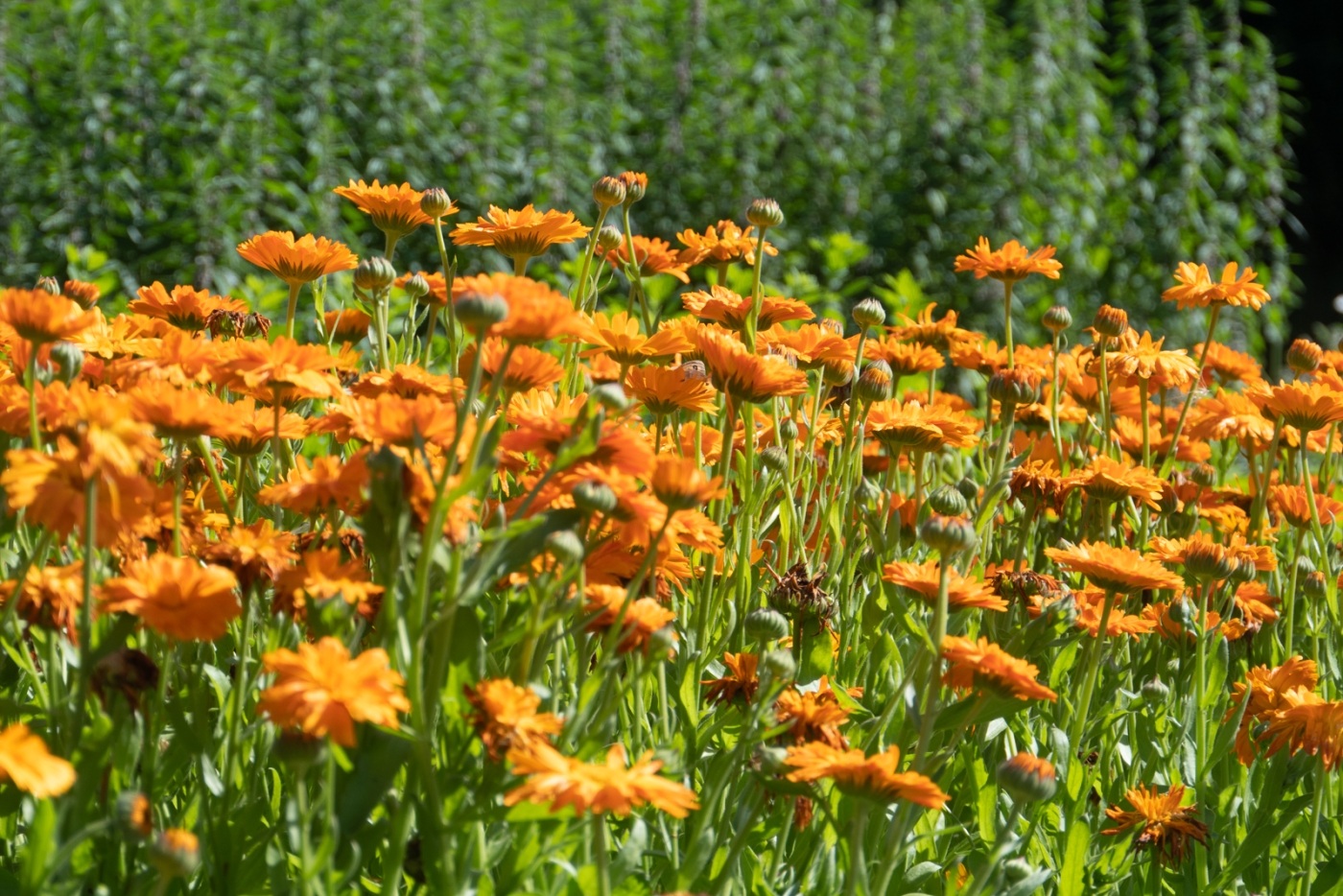
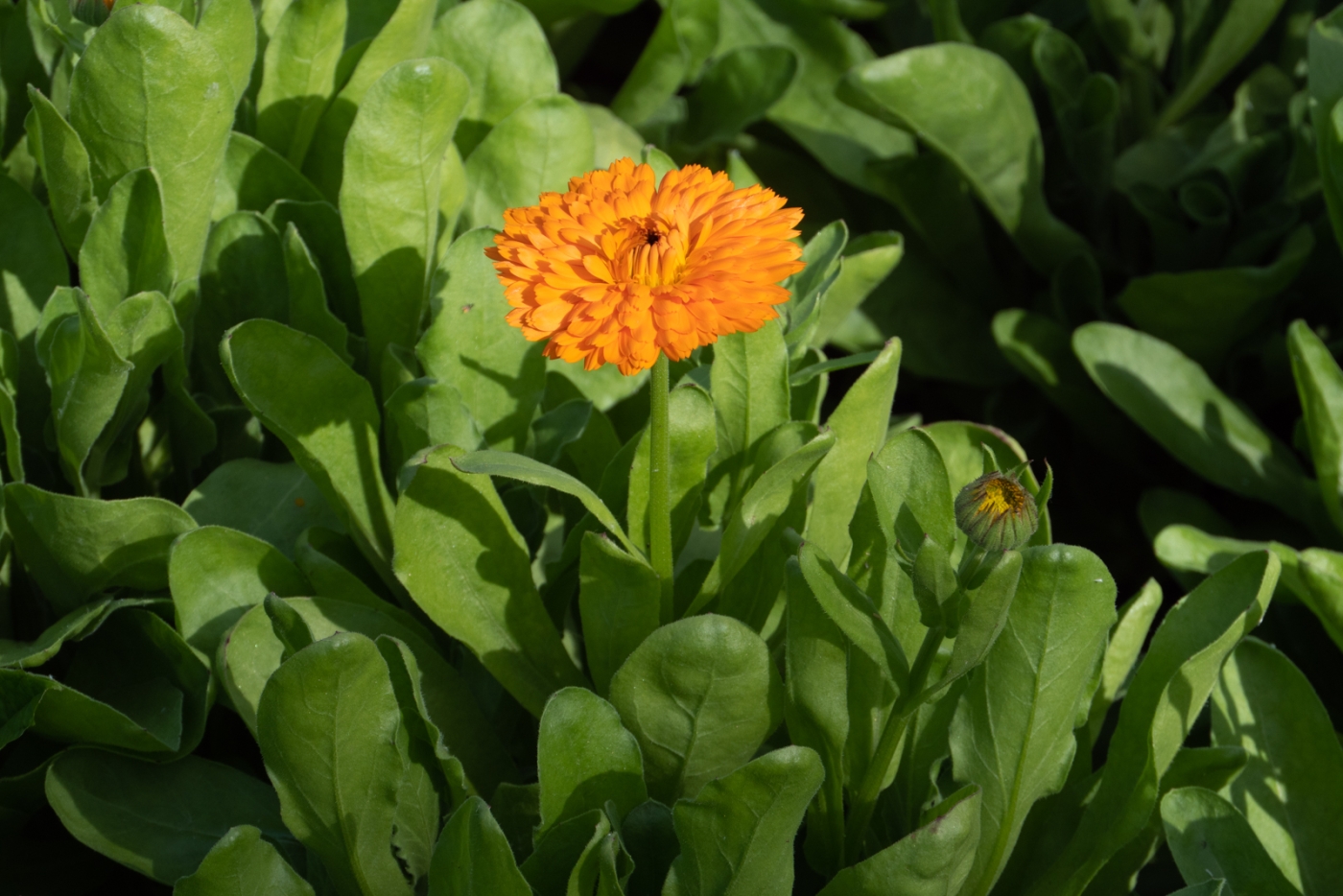
Few plants earn their place in the herb garden as easily as calendula. Its bright orange flowers bring colour, cheer, and usefulness in equal measure — petals that can be scattered through salads, and blooms that have long been valued for their soothing, skin-supporting properties.

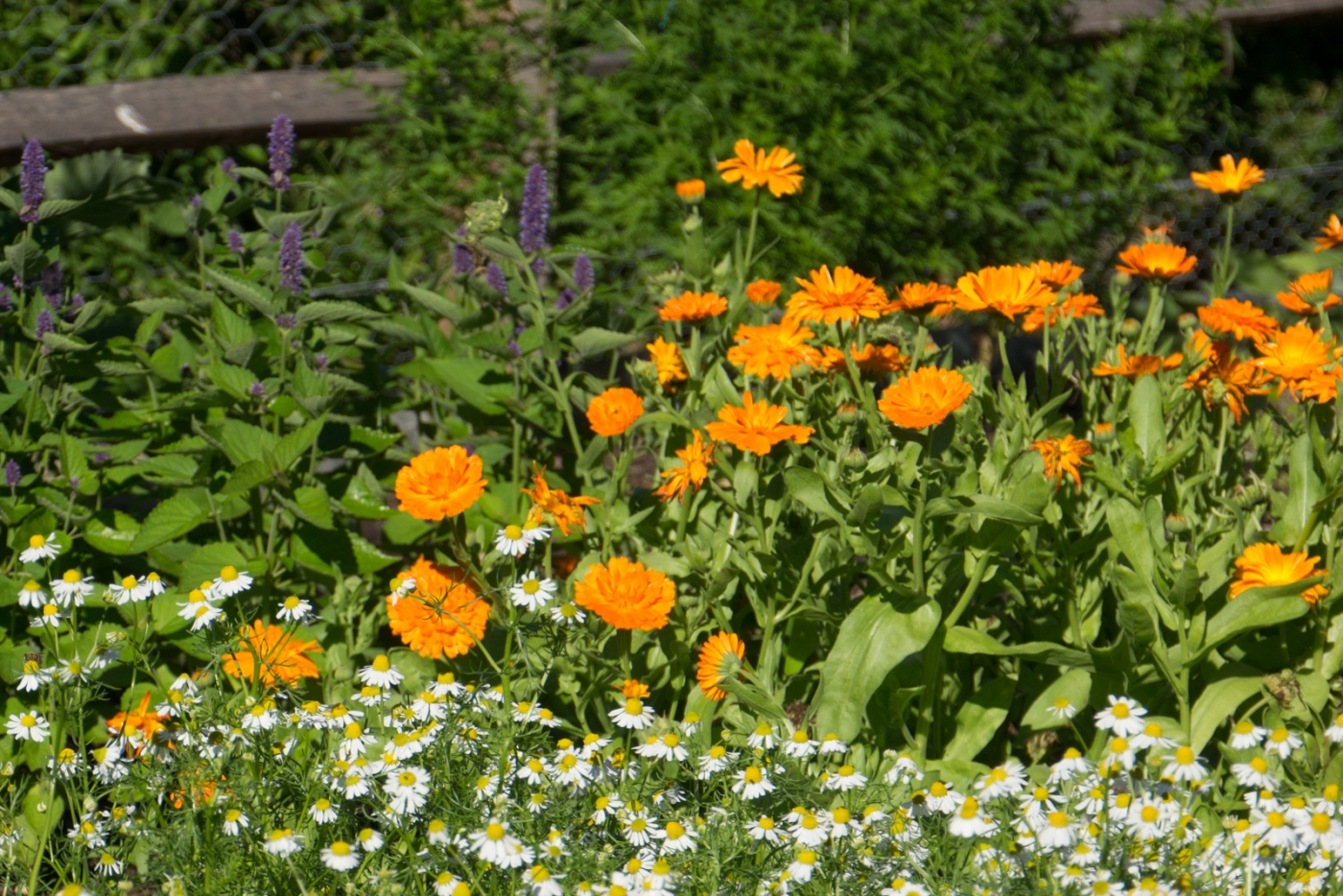
Native to southern Europe and the Mediterranean, calendula thrives in open, sunny positions and free-draining but reasonably fertile soil. In the garden it responds well to regular picking, producing a steady supply of flowers over many weeks — ideal for anyone wanting to grow herbs with clear, practical uses.

Calendula can be sown directly where it is to grow and will usually begin flowering within two to three months. For new growers it offers quick rewards; for more experienced gardeners it remains an essential component of a well-rounded herbal first aid kit, providing fresh or dried flowers for simple home preparations such as oils, balms and salves.

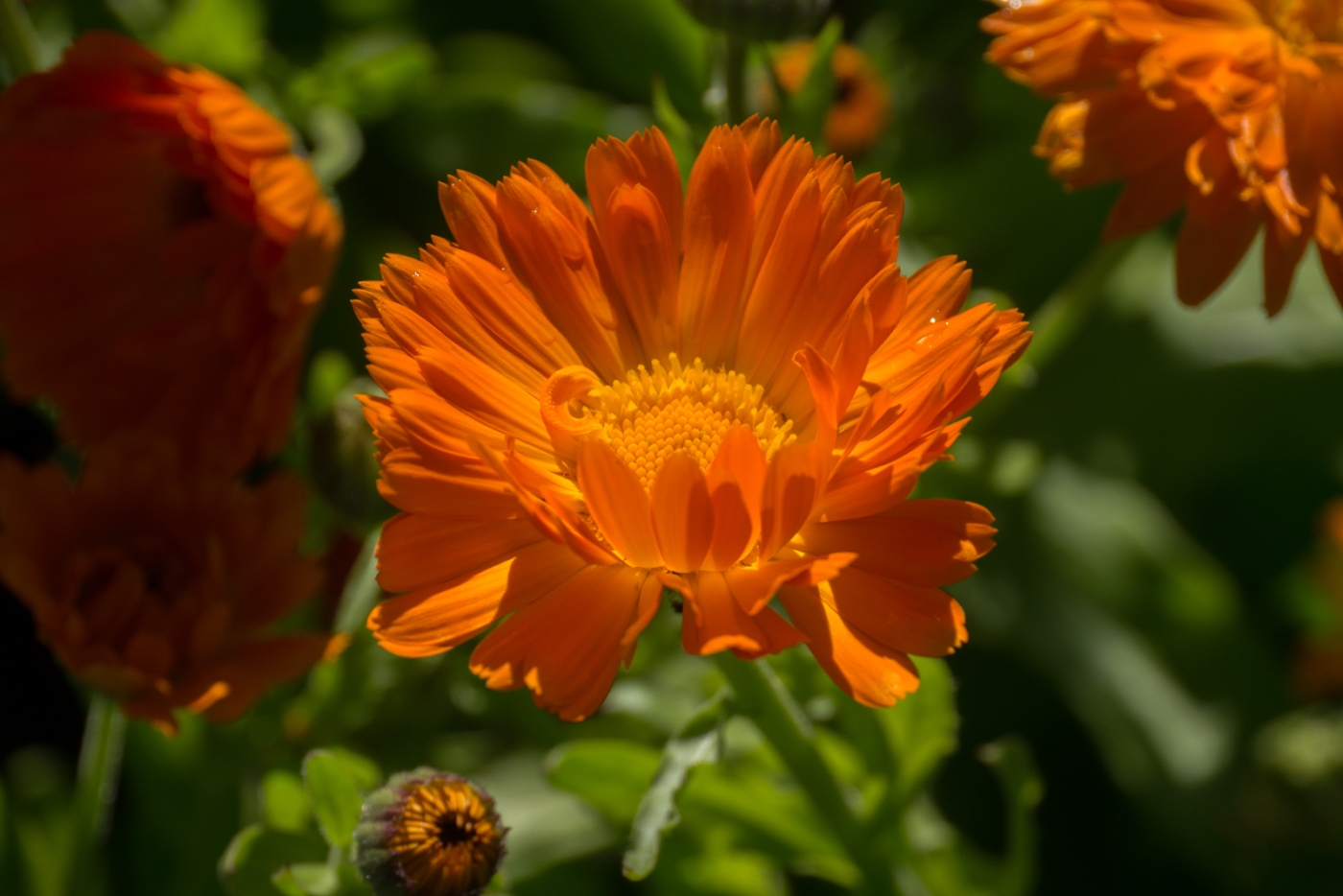
The variety we grow produces multiple layers of petals, giving a fuller flower and a higher yield than single-petalled forms — making it especially well suited to both the kitchen and the home apothecary.

£2.75
SKU: CalO Categories: , ,
Sowing and Growing

Calendula is easy to grow from seed. If you want to get started early you can sow indoors in early spring. The ideal time is around six to eight weeks before the last frost date, which in the UK means sometime in early March. Transplant the seedlings once they have grown a few leaves, allowing a spacing of around 6-10 inches between the plants.

Or you can wait until mid-April and sow the seed directly into its final growing position. To prolong the flowering period you can continue with successive sowing until early summer. But don’t wait too long, as the plants tend to become smaller and weaker when sown in hotter weather.

Being a hardy annual you can also sow calendula seeds in late summer to give it a head-start the following Spring.

Whichever timing and method you use, be sure to fully cover the seed with soil as any exposure to light will reduce germination. The ideal sowing depth is around 0.5 to 1.5cm. Keep the soil moist until germination.

Uses and Benefits

Calendula (or pot marigold) is best known as a gentle but effective skin-healing plant. If you crush the flower heads between your fingers you’ll notice a slightly sticky, resin-like feel – this reflects the soothing, protective qualities that make calendula such a valued garden remedy.

Traditionally, calendula has been used to support the healing of cuts, scrapes and irritated skin. It helps calm inflammation, reduce the risk of infection, and encourages the skin’s natural repair process. For this reason, it is often used where the skin is broken, and is widely considered one of the safest herbs for this purpose.

Calendula is commonly applied to minor wounds, burns, grazes, insect bites, bruises and sunburn, as well as to dry, itchy or inflamed skin such as eczema or dermatitis. Creams, oils, or cooled infusions can be applied to soothe discomfort and support healing. Freshly crushed flowers can also be rubbed directly onto insect bites or stings.

Because of its gentle cleansing and anti-inflammatory properties, calendula is a popular ingredient in natural skincare products, including balms, salves and soaps. It is especially valued for sensitive or easily irritated skin.

Calendula flowers have also been used internally as a mild digestive tonic, traditionally taken as a tea to soothe inflammation in the upper digestive tract and to gently support digestion.

Overall, calendula is a classic example of a plant that is easy to grow, generous in its flowering, and generous in its uses – a real staple of both the garden and the home apothecary.

Harvesting and Preparation

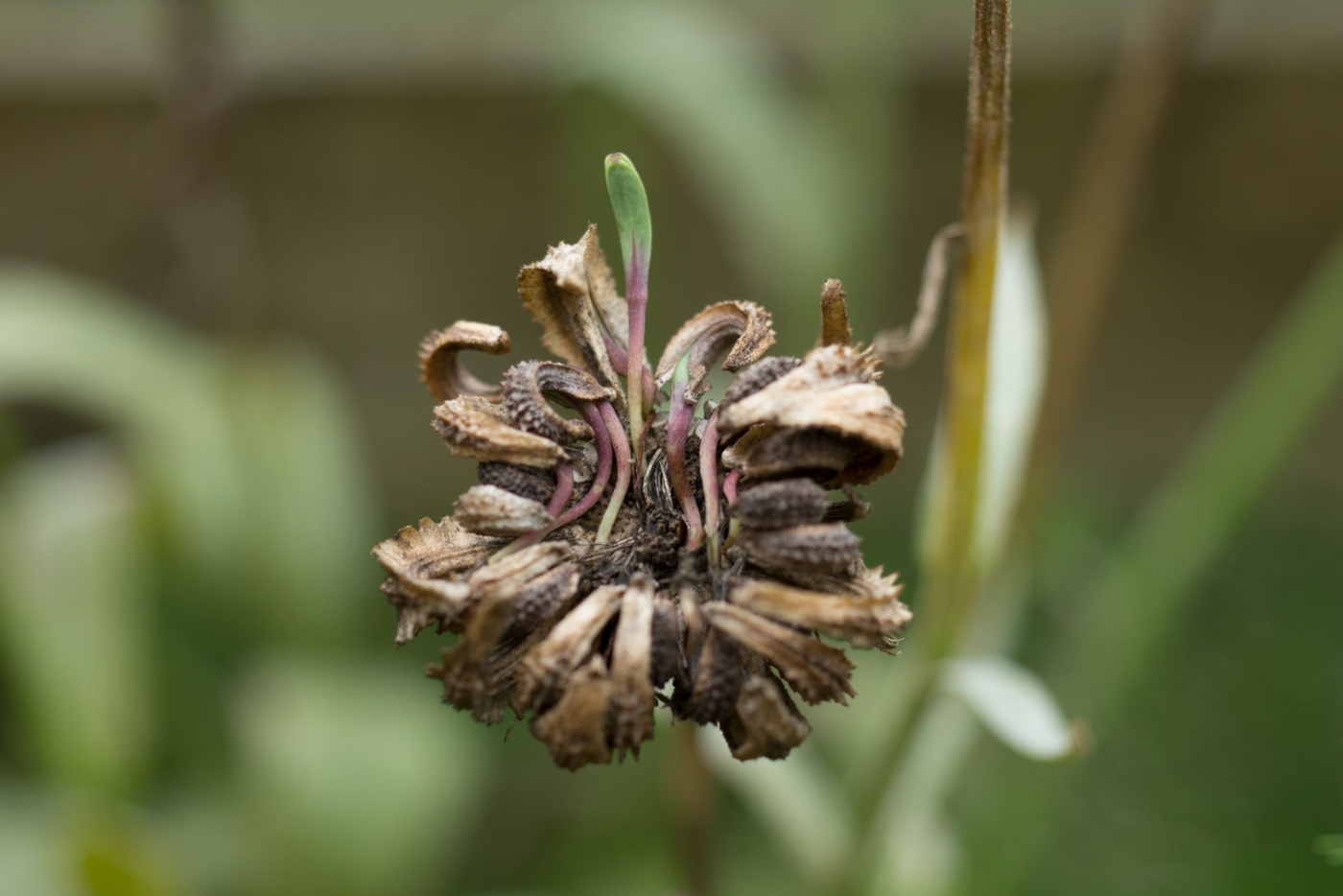
Harvest the flowers throughout the Summer as each one comes to their peak. You can ‘peel’ the flower heads gently off the stalk with your fingers or snip the head just below the base of the flower. They go to seed very quickly so keep an eye on this and keep harvesting every few days.

As a tea take 2-5g of the dried flower head.

For a tincture using the dried flowers make a 1:5@25%.

For an oil macerate some fresh-flowers in a double-boiler/bain marie at a ratio of 1:4.

Or you can make a salve or a herbal cream.

One potential downside of the sesquiterpene lactones is that they can act as mild to potent allergens for susceptible individuals. Reported reactions have ranged from varying degrees of allergic contact dermatitis all the way up to severe anaphylaxis requiring emergency treatment. Because these compounds are so widely distributed among the Asteraceae, cross reactions can easily occur. A person might become sensitized to the sesquiterpene lactones in one plant (e.g., Ragweeds – Ambrosia spp.) and subsequently will have a reaction to a novel species (e.g., Chamomile or Yarrow) in the family. This is why the herbalist should be cautious when using Asteraceae herbs with people who have a tendency toward respiratory and contact allergies or problems with chronic eczema / atopic dermatitis.

Species Info
Soil
Flower Colour(s)

Orange

Stratification Needed?

Stratification not required

Herbal Tradition

Western

General Uses

Medicinal

Can be sown direct?

Yes

Herbal Uses

Circulation, Digestion, Immunity, Lymphatic, Reproduction, Skin, Women

Hardiness

H5 (hardy – cold winter)

UK Native

No

Height
Flowering

May, June, July

Life Cycle

Annual

Water
Sunlight
Recommended Sowing Times
Make Your Own

Cream, Dye, Massage Oils, Poultice & Plasters, Salves, Tincture

Description

Few plants earn their place in the herb garden as easily as calendula. Its bright orange flowers bring colour, cheer, and usefulness in equal measure — petals that can be scattered through salads, and blooms that have long been valued for their soothing, skin-supporting properties.

Native to southern Europe and the Mediterranean, calendula thrives in open, sunny positions and free-draining but reasonably fertile soil. In the garden it responds well to regular picking, producing a steady supply of flowers over many weeks — ideal for anyone wanting to grow herbs with clear, practical uses.

Calendula can be sown directly where it is to grow and will usually begin flowering within two to three months. For new growers it offers quick rewards; for more experienced gardeners it remains an essential component of a well-rounded herbal first aid kit, providing fresh or dried flowers for simple home preparations such as oils, balms and salves.

The variety we grow produces multiple layers of petals, giving a fuller flower and a higher yield than single-petalled forms — making it especially well suited to both the kitchen and the home apothecary.

Additional information

Soil
Flower Colour(s)

Orange

Stratification Needed?

Stratification not required

Herbal Tradition

Western

General Uses

Medicinal

Can be sown direct?

Yes

Herbal Uses

Circulation, Digestion, Immunity, Lymphatic, Reproduction, Skin, Women

Hardiness

H5 (hardy – cold winter)

UK Native

No

Height
Flowering

May, June, July

Life Cycle

Annual

Water
Sunlight
Recommended Sowing Times
Make Your Own

Cream, Dye, Massage Oils, Poultice & Plasters, Salves, Tincture

Reviews

There are no reviews yet.

Be the first to review “Calendula”