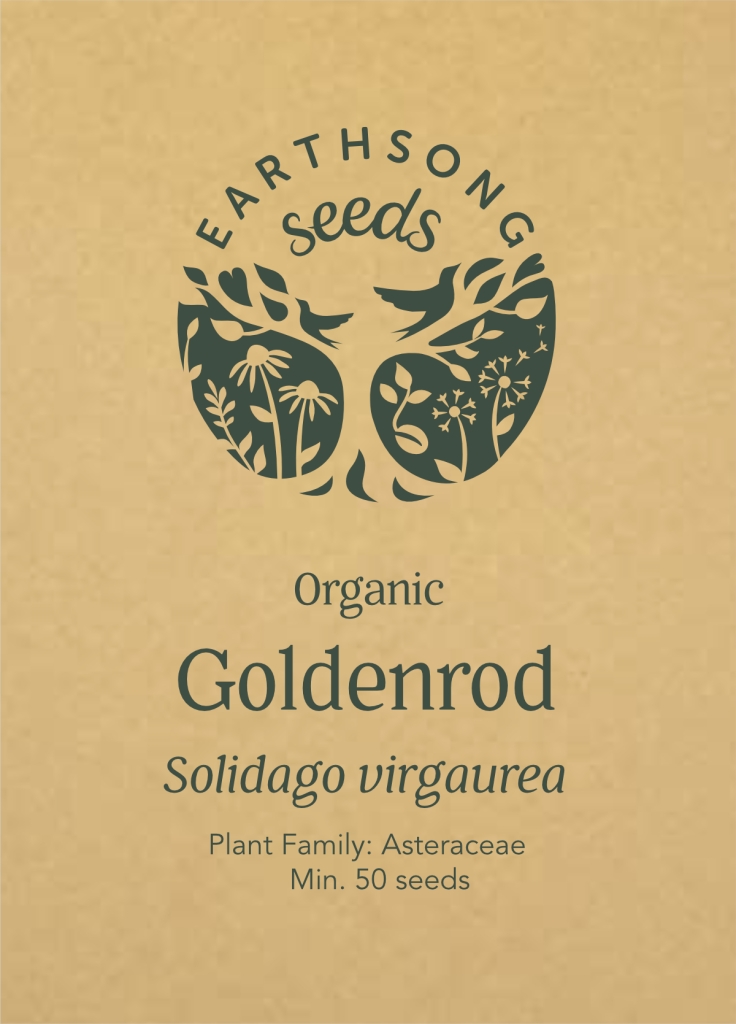
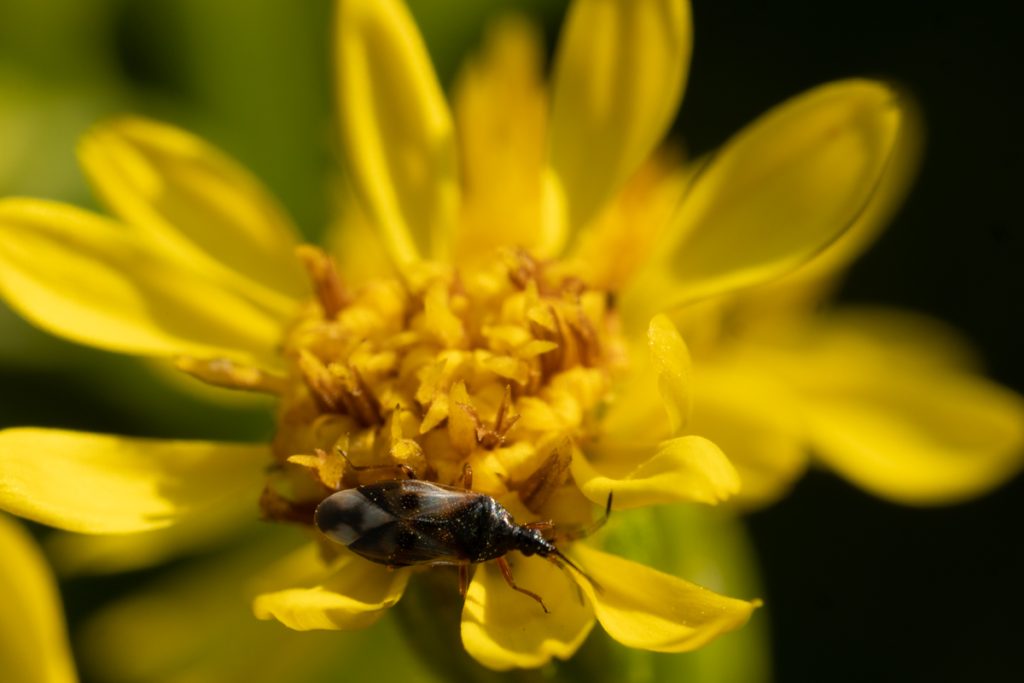
Goldenrod

Solidago virgaurea

Traditionally associated with treating wounds, goldenrod is a well researched species that is now used primarily for treating urinary tract conditions and for its anti-inflammatory properties.

Also known as woundwort, its long history of use as a wound-healer is also said to have influenced the naming of its genus Solidago, which comes from the latin words ‘solidus’ and ‘agere’ – meaning ‘to make solid or whole’.

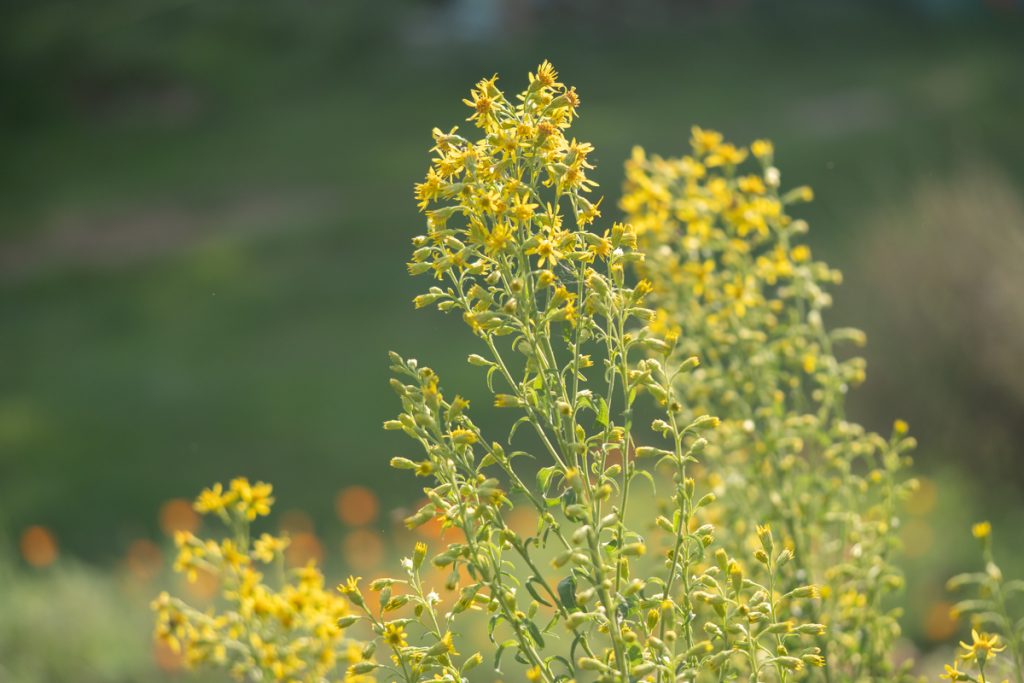
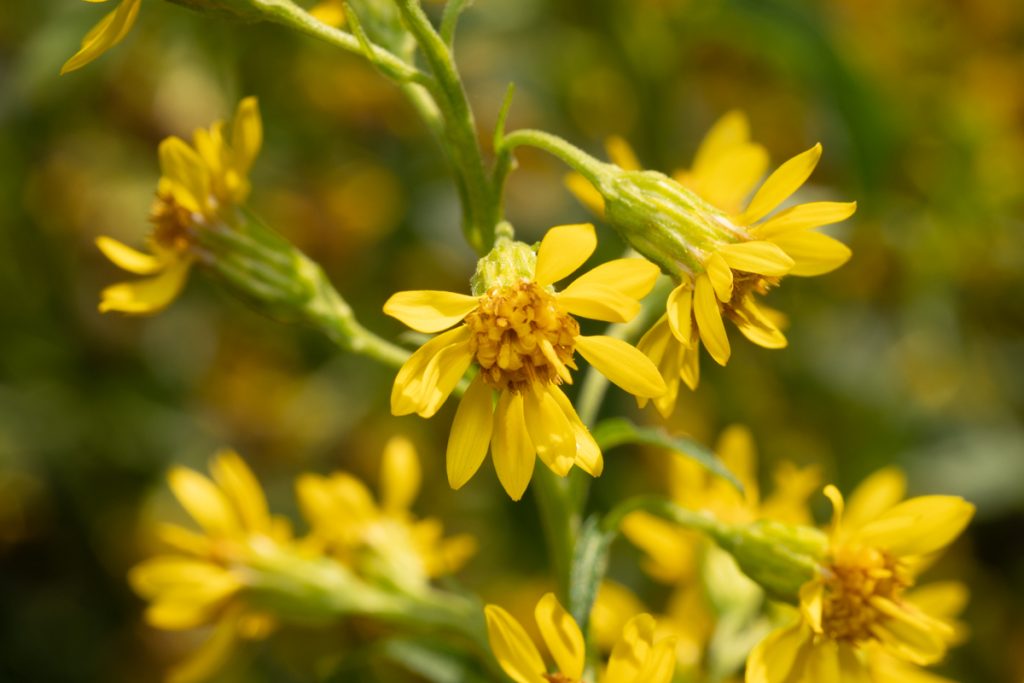
A perennial that is native to large areas of the northern hemisphere, Solidago virgaurea has evolved into many subspecies and varieties, all of which share its characteristic late-summer golden yellow flowers. It is an easy plant to grow; it appears to tolerate everything the British weather can throw at it and never seems to be nibbled by slugs or caterpillars.

Harvest the flowering tops in their second year, or leave the flowers to grow into white fluffy seed heads.  When backlit by the autumn sun, the seeds are every bit as beautiful as the golden flowers.

£2.75
Categories: , ,
Sowing and Growing

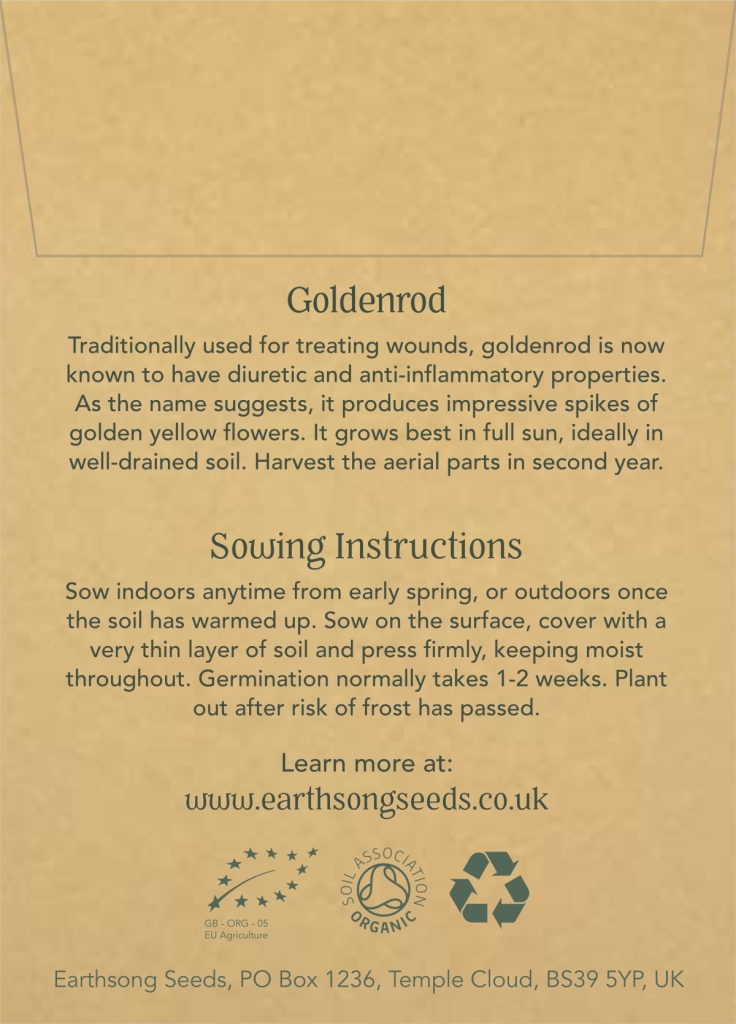
Goldenrod is a hardy perennial that is easy to grow from seed and well suited to a wide range of garden conditions. Seed can be sown indoors from early spring onwards, or sown directly outdoors once the soil has warmed and conditions are settled.

Sow the seed on the surface of the compost or soil and cover with a very fine layer of compost or vermiculite, then press firmly to ensure good contact. Keep the surface evenly moist until seedlings are established. Germination is usually reliable and fairly quick, often taking around 7–14 days.

When seedlings are large enough to handle, prick out into individual pots and grow on until well established. Plant out once the risk of frost has passed. If sowing directly, thin seedlings once established. Goldenrod forms strong clumps over time, so allow a spacing of around 45–60cm between plants.

Goldenrod prefers full sun but will tolerate partial shade, and grows well in a wide range of soils. It performs best in reasonably fertile, moisture-retentive ground, though once established it is drought tolerant and requires little ongoing care.

Plants typically produce leafy growth in the first year, followed by tall flowering stems topped with bright yellow flowers in late summer and early autumn in subsequent years. Goldenrod can self-seed and spread if conditions suit it, so remove flower heads before seed is set if you want to limit its spread, or leave them in place if you’re happy for it to naturalise.


Uses and Benefits

For many centuries goldenrod has been used as a urinary alterative, helping to soothe irritation, discomfort and infections.

It is also known for loosening phlegm and removing respiratory congestion. It is high in saponins, the ‘soapy’ substances that can cause a bit of counter-irritation that helps to expectorate mucus. Its affinity for the upper respiratory tract make it useful for sore throats and hayfever too. Because it is good for digestion, lungs and urinary system, it is considered an ‘all rounder’.

Harvesting and Preparation

Harvest the flowering tops in its second year and then dry in bunches tied upside down in a well ventilated room. Or cut into small pieces and dry in a dehydrator at 25C for 12 hours.

Use 6-10g per day in teas (2-3 tsp per cup). It tastes better with elderflower and mint.

Species Info
Soil
Stratification Needed?

Stratification not required

Herbal Tradition

Native American, Western

General Uses

Medicinal

Can be sown direct?

Yes

Herbal Uses

Digestion, Immunity, Respiration, Urinary

Flower Colour(s)

Yellow

Hardiness

H5 (hardy – cold winter)

UK Native

No

Height
Flowering

August, September

Life Cycle

Perennial

Water
Sunlight
Recommended Sowing Times
Make Your Own

Dye, Herbal Tea, Tincture

Description

Traditionally associated with treating wounds, goldenrod is a well researched species that is now used primarily for treating urinary tract conditions and for its anti-inflammatory properties.

Also known as woundwort, its long history of use as a wound-healer is also said to have influenced the naming of its genus Solidago, which comes from the latin words ‘solidus’ and ‘agere’ – meaning ‘to make solid or whole’.

A perennial that is native to large areas of the northern hemisphere, Solidago virgaurea has evolved into many subspecies and varieties, all of which share its characteristic late-summer golden yellow flowers. It is an easy plant to grow; it appears to tolerate everything the British weather can throw at it and never seems to be nibbled by slugs or caterpillars.

Harvest the flowering tops in their second year, or leave the flowers to grow into white fluffy seed heads.  When backlit by the autumn sun, the seeds are every bit as beautiful as the golden flowers.

Additional information

Soil
Stratification Needed?

Stratification not required

Herbal Tradition

Native American, Western

General Uses

Medicinal

Can be sown direct?

Yes

Herbal Uses

Digestion, Immunity, Respiration, Urinary

Flower Colour(s)

Yellow

Hardiness

H5 (hardy – cold winter)

UK Native

No

Height
Flowering

August, September

Life Cycle

Perennial

Water
Sunlight
Recommended Sowing Times
Make Your Own

Dye, Herbal Tea, Tincture